Professor Abiola Senok from Mohammed Bin Rashid University of Medicine and Health Sciences (MBRU), the Learning and Discovery arm of Dubai Health, together with researchers from United Arab Emirates University and Creighton University in the United States, is leading a pioneering research study titled Deciphering the Evolution and Dissemination of Antimicrobial Resistance in the United Arab Emirates (DEED-AMR).
The study is supported through a research grant from Al Jalila Foundation, the philanthropic arm of Dubai Health, and forms part of the UAE–NIH Collaborative Research Award.
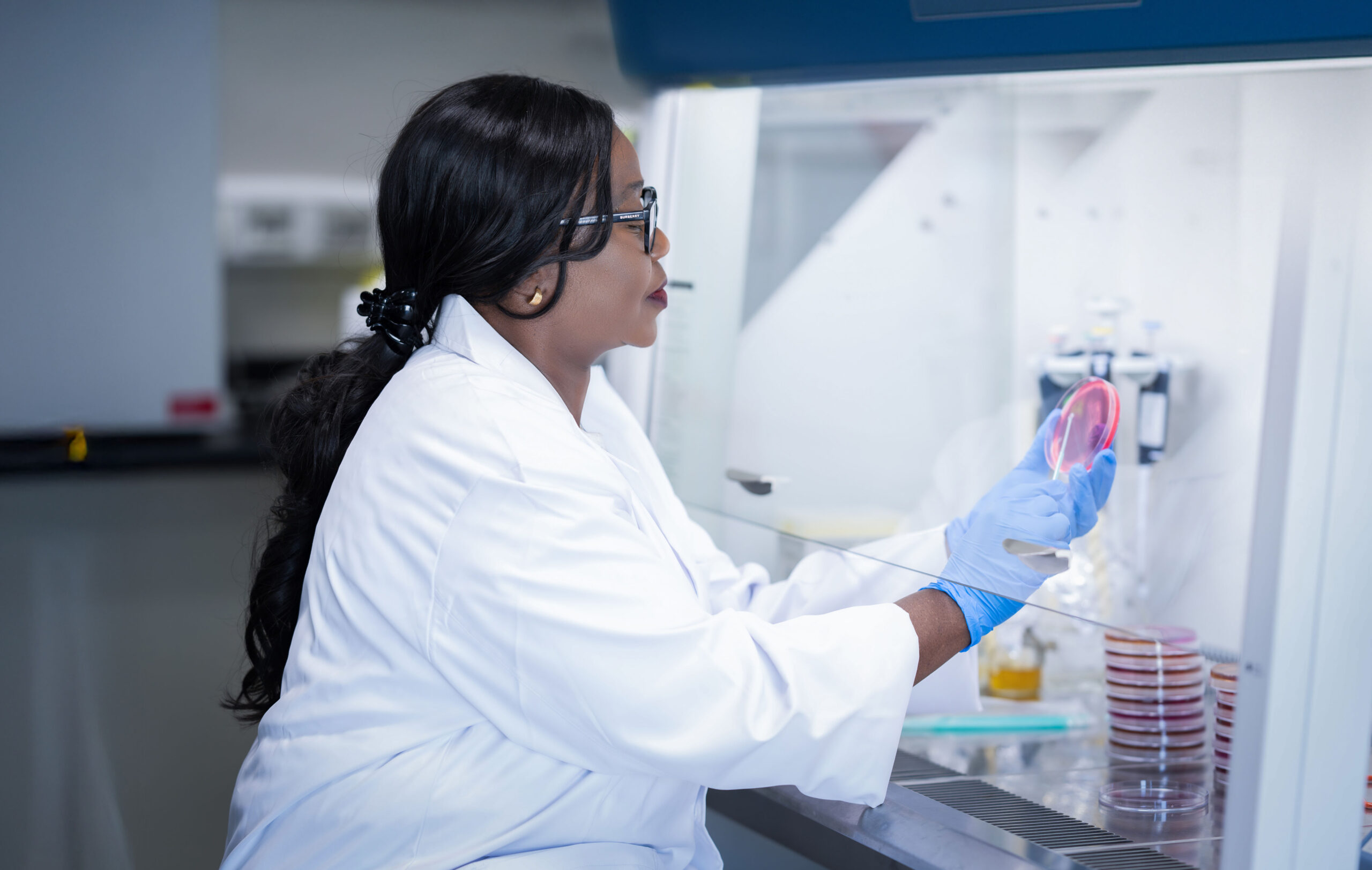
The research focuses on antimicrobial resistance (AMR), one of the world’s most pressing health challenges, where bacteria become resistant to antibiotics and other treatments, rendering common infections increasingly difficult, and sometimes impossible, to treat. By analyzing wastewater samples, the research team can monitor how resistant bacteria spread across communities, identify early warning signs of potential outbreaks, and establish a comprehensive framework for AMR surveillance.
Underpinned by the One Health philosophy, which recognizes the interconnectedness of human, animal, and environmental health, the study offers an integrated view of how resistant bacteria emerge and disseminate across diverse ecological niches. Using advanced genomic technologies, the team is able to track how resistance genes move and spread, helping to better understand how drug-resistant bacteria emerge in the community.
To date, the research has resulted in three publications in well-regarded peer-reviewed scientific journals, along with two published conference abstracts, reflecting strong scholarly output and meaningful contributions to the field.
This research project is helping lay the foundation for a national system to monitor antimicrobial resistance, contributing to a safer and healthier future.